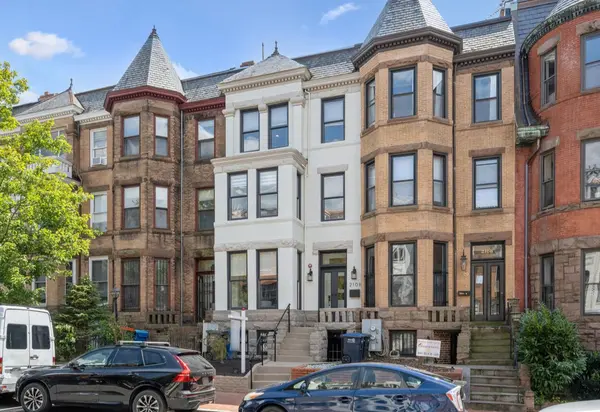
Investing in Multi-Unit Properties in Washington, DC: A Path to Long-Term Wealth
The Washington, DC real estate market continues to be one of the most vibrant and resilient in the country, presenting a unique opportunity for investors. Investing in multi-unit properties in DC offers a combination of monthly cash flow, tax benefits, and potential for long-term appreciation—making it a solid option for building wealth. Here’s what makes multi-unit properties an attractive investment and how you can leverage them to generate passive income and increase property value over time.
Why Multi-Unit Properties in DC?
1. High Demand and Low Vacancy Rates
Washington, DC is not only the nation's capital but also home to numerous government agencies, tech firms, universities, and NGOs. This steady influx of professionals, students, and government workers creates a high demand for rental housing. Multi-unit properties offer flexibility, whether you’re interested in renting long-term or catering to a transient population with short-term leases. The relatively low vacancy rates across DC neighborhoods mean that rental income is not only steady but competitive, offering a hedge against market fluctuations.
2. Diverse Neighborhoods with Investment Potential
DC’s neighborhoods each have a distinct vibe, rental rates, and appreciation trends. From the lively streets of Columbia Heights to the up-and-coming areas of Brookland and Congress Heights, the variety allows investors to select properties that match their investment strategy. High-rent areas like Dupont Circle or Georgetown attract tenants willing to pay a premium, while neighborhoods undergoing revitalization can offer substantial long-term value.
3. Tax Benefits and Incentives
Multi-unit property owners in DC can take advantage of numerous tax benefits, including deductions on mortgage interest, property taxes, maintenance, and repairs. Additionally, programs like DC’s Homestead Deduction can reduce property taxes for owner-occupied multi-units, while certain incentives encourage energy-efficient upgrades, allowing landlords to reduce operating costs.
Benefits of Multi-Unit Properties
1. Cash Flow and Passive Income
The biggest appeal of multi-unit properties is the potential for multiple income streams. By owning a duplex, triplex, or larger apartment building, you can rent out each unit separately, generating significant monthly cash flow. This income can cover mortgage payments, property expenses, and even yield a profit, which can be reinvested or saved.
2. Economies of Scale
With multi-unit properties, maintenance and repairs become more cost-effective. For instance, fixing a roof or plumbing issue in a single-family home might cost as much as it would for a four-unit building, yet the latter has four income streams to help offset these costs. This allows for greater efficiency and profitability, as expenses are spread across multiple units.
3. Long-Term Appreciation Potential
DC has a strong track record of property appreciation, partly due to its limited land and high demand. Multi-unit properties allow investors to benefit from this trend on a larger scale. By holding a property for the long term, you can take advantage of market appreciation while building equity.
Key Neighborhoods for Multi-Unit Investments in DC
1. Columbia Heights
Columbia Heights has become one of DC’s most sought-after areas for renters, particularly young professionals and families. The neighborhood’s access to metro lines, restaurants, and retail spaces makes it highly desirable. Property values have consistently risen in Columbia Heights, making it a prime location for multi-unit property investment.
2. Capitol Hill
Known for its historic rowhouses, Capitol Hill is a stable investment with consistent demand from government employees and professionals. Many multi-unit properties in this area have been restored, offering a blend of historic charm and modern amenities. The proximity to the National Mall and government buildings means property values are unlikely to dip.
3. Anacostia
Anacostia is currently undergoing significant redevelopment, attracting both residential and commercial investments. This neighborhood represents a more affordable entry point for multi-unit investments and is expected to see increased property values as new businesses, parks, and transportation options develop.
Steps to Invest in Multi-Unit Properties
1. Research Financing Options
Financing multi-unit properties can be more complex than single-family homes. Investors should explore options like FHA multifamily loans, which allow you to purchase up to a four-unit property with a lower down payment if you occupy one of the units. Conventional loans and portfolio loans from local banks can also be beneficial.
2. Understand DC’s Tenant-Landlord Laws
DC has stringent tenant protections, and investors should familiarize themselves with regulations surrounding tenant rights, eviction processes, and rent control (which applies in some multi-unit scenarios). Ensuring compliance is crucial for maintaining a positive landlord-tenant relationship and avoiding potential legal issues.
3. Conduct a Property Analysis
When evaluating multi-unit properties, conduct a thorough analysis to estimate operating expenses, expected rental income, and vacancy rates. Calculating the property’s cash flow, cap rate, and ROI will help you determine if it aligns with your investment goals. Consulting a local real estate expert can provide insight into neighborhood trends and rental rates.
Resources for Investing in Washington, DC Multi-Unit Properties
- DC Department of Housing and Community Development (DHCD): This government site offers information on incentives, property tax credits, and affordable housing initiatives. Visit DHCD for more.
- DC Rent Control Guide: Learn more about rent control policies and tenant rights in DC through the Office of the Tenant Advocate.
- FHA Multifamily Loans: For information on FHA loans for multi-unit properties, see the HUD Multifamily Programs page.
- Neighborhood Data from the Urban Institute: For in-depth data on DC neighborhoods, see the Urban Institute’s Neighborhood Info DC resource.
Conclusion
Multi-unit properties in Washington, DC offer a powerful vehicle for building wealth through rental income and appreciation. The high demand for rental units, combined with favorable tax benefits and a stable property market, make DC an attractive location for real estate investors. As with any investment, success requires careful planning, research, and strategy. By leveraging the opportunities in DC’s multi-unit market, you can achieve a steady income stream and grow your long-term wealth in one of the nation’s most resilient cities.
Categories
Recent Posts