The "TOPA Nightmare" is Over: How DC’s New RENTAL Act Clears the Path for Investors
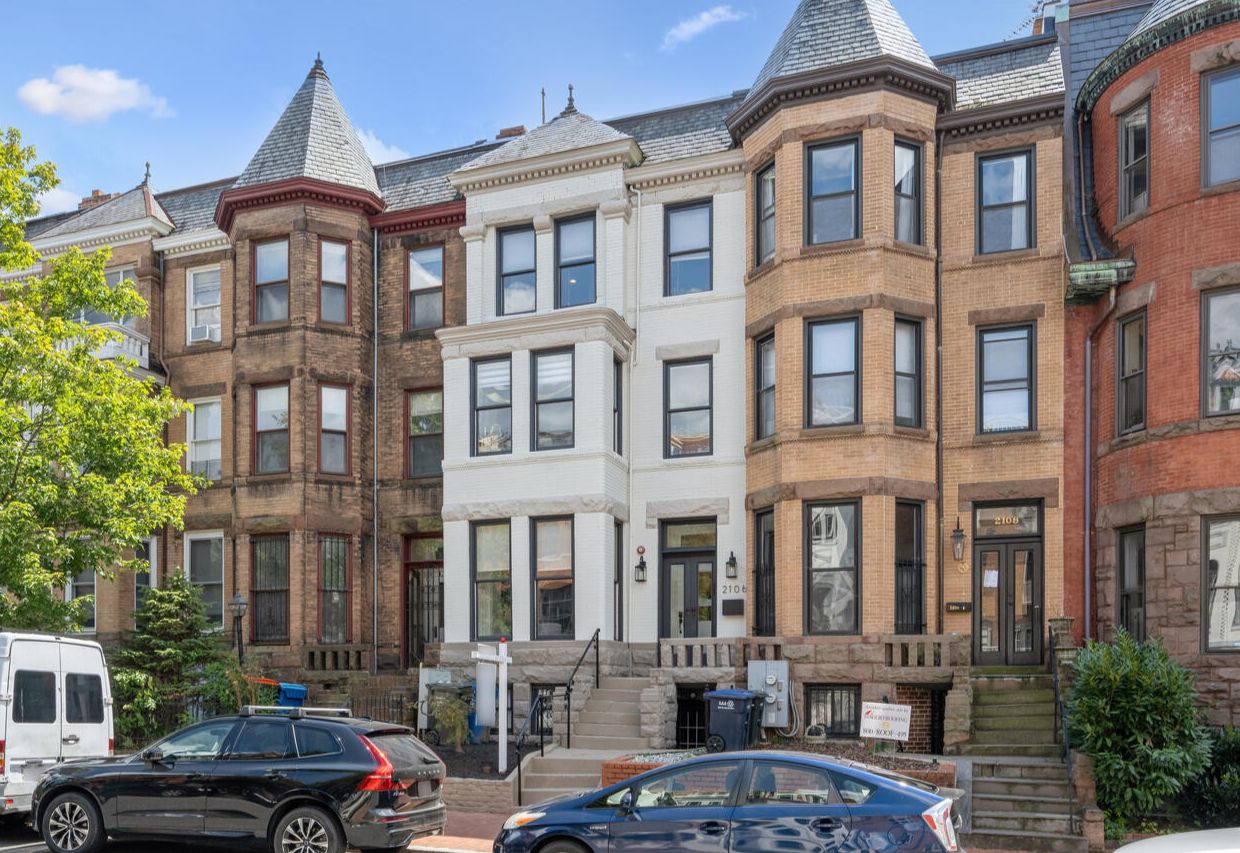
For decades, selling a rental property in Washington, D.C., felt like navigating a minefield. The Tenant Opportunity to Purchase Act (TOPA), while designed with noble intentions in 1980, often became a source of significant stress, unpredictable delays, and "legalized leverage" where third parties could stall your sale for months.
Everything changed on December 31, 2025.
With the enactment of the Rebalancing Expectations for Neighbors, Tenants, and Landlords (RENTAL) Amendment Act of 2025, the District has finally modernized its housing laws. For the first time in a generation, the scales have tipped back toward property owners, offering a clearer, faster, and less volatile path to selling your investment.
The End of Uncertainty: Key Changes You Need to Know
If you’ve been "holding" a property simply because you didn't want to deal with the TOPA headache, here is why the "unknowns" have been drastically reduced:
1. Broad Exemptions for 2–4 Unit Properties
Historically, 2–4 unit buildings were the most common battlegrounds for TOPA disputes. Under the new law (DC Code § 42-3404.10), many of these properties are now completely exempt, provided they are owned by individual landlords rather than large corporate entities. This removes the requirement to wait for tenant "statements of interest" that could previously stall a sale by 15–22 days before negotiations even began.
2. The 15-Year "New Construction" Pass
To stimulate the housing market, the RENTAL Act introduces a 15-year exemption for newly constructed residential buildings. If your property received its Certificate of Occupancy within the last 15 years, you are likely exempt from the "Offer of Sale" requirements. This makes newer assets significantly more liquid and attractive to institutional buyers.
3. Curtailing "Assignment" Abuse
One of the biggest frustrations for sellers was the "assignment of rights," where tenants would sell their TOPA rights to a third-party developer for a cash payout. The new law introduces strict transparency and disclosure requirements. These changes make it much harder for "TOPA chasers" to hold up a legitimate sale for a payday.

Why This is a "Green Light" for Your Exit Strategy
The primary reason investors avoid selling in D.C. is volatility. When you don't know if a sale will take 60 days or 9 months, it’s impossible to plan your next 1031 exchange or reinvestment. But with the legal and bureaucratic timelines cut down or cut out entirely, this means that many 2-4 unit properties can sell as soon as a ready, willing and able buyer is located. This increases the buyer pool by adding 1031 investors to the mix where, before 12/31/25, sale timing uncertainty was certain.
The RENTAL Act provides:
-
Predictable Timelines: With more properties qualifying for "Notice of Transfer" rather than "Offer of Sale," the 45-day window for tenants to register a challenge is much cleaner than the old multi-stage negotiation process.
-
Reduced Litigation Risk: Clearer definitions of what constitutes a "sale" (particularly regarding LLC interest transfers) mean fewer gray areas for lawyers to exploit.
-
Higher Buyer Confidence: When TOPA is off the table, the pool of potential buyers expands to those who were previously "DC-phobic."
Which Owners Qualify for the Exemption?
The new law specifically targets "small-scale" owners to simplify their exit strategy. To qualify for the TOPA exemption on a 2–4 unit property, the ownership structure must meet the following criteria:
-
Individual Ownership is Key: The exemption primarily applies to properties owned by natural persons (individuals). If you own the property in your own name, or as part of a group of no more than four natural persons, you are eligible.
-
The "Rule of Two": To qualify as an "individual landlord" under the RENTAL Act, the owner (or group of owners) must not own more than two residential rental properties within the District of Columbia. If your portfolio exceeds two properties, you are generally considered a professional housing provider and must still comply with standard TOPA procedures.
-
What About LLCs? This is a common point of confusion. Under the new rules, most Business Corporations (as defined by DC Code § 29-101.02) and large-scale institutional entities are ineligible for the 2–4 unit exemption. However, if your property is held in a single-asset LLC but is effectively owned/controlled by an individual who meets the "Rule of Two" and the LLC is not classified as a major business corporation, you may still qualify.
-
Ineligible Entities: Large taxable corporations, REITs, and partnerships that own a significant share of DC's housing stock are explicitly excluded from these 2–4 unit exemptions. The goal of the Council was to help the "mom-and-pop" landlord while keeping the traditional TOPA protections in place for buildings owned by larger commercial interests.
Official Resources & Legislation
To see exactly how these laws are codified, you can review the following resources:
-
Official RENTAL Act Legislation (DC Act 26-199): Read the full text of the law that became effective Dec 31, 2025.
-
DC Official Code § 42-3404.10: The specific section covering the new 2–4 unit exemptions.
-
DHCD TOPA Portal: The Department of Housing and Community Development’s hub for forms and filings.

What’s Your Property’s Status?
The new rules are a game-changer, but they require a proactive approach—including specific notices you must provide to your tenants by March 31, 2026, to claim certain exemptions.
Would you like me to perform a complimentary "Portfolio TOPA Audit" to determine which of your properties now qualify for these expedited sales rules? Reach out today, and let’s see how much value this new law has added to your exit strategy.
Categories
Recent Posts